
Spider Fighter 2
Starplay FZCOAction
4.53.06K Reviews
- Version
- 2.43.0
- Installs
- 100.00M
- Age Rating
- Teen
Screenshots
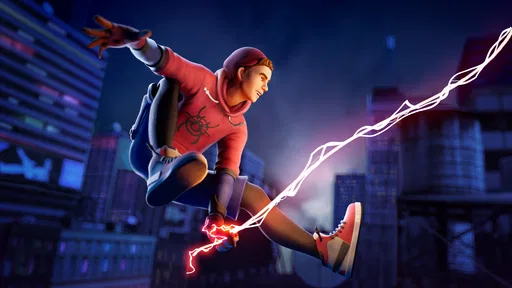
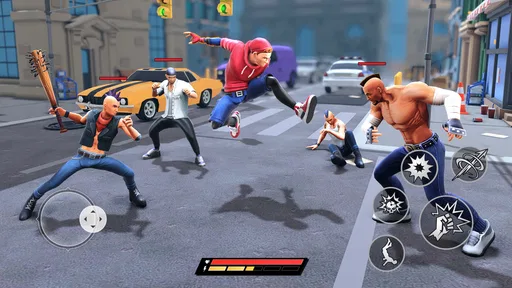
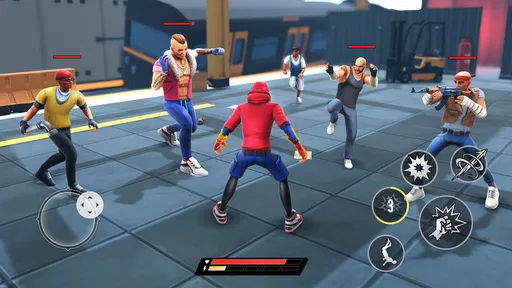
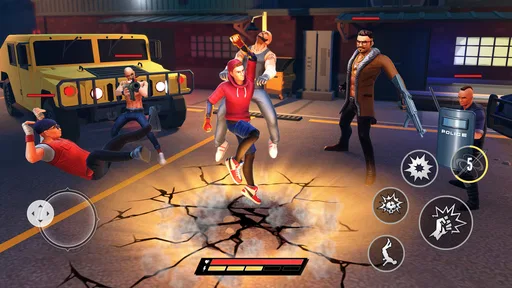
Our Review of Spider Fighter 2
 Analysis by Appyee
Spider Fighter 2 is an action game built around quick street fights, simple goals, and the satisfying feeling of clearing a dangerous area one opponent at a time. I approached it as a first-time player rather than expecting a deep role-playing system, and that helped me understand where it works best: short sessions when I want immediate combat, not a slow campaign that demands detailed planning.
Developed by Starplay FZCO, the game is free to install and aimed at Teen players. It has attracted over 100 million installs, with a 4.6 average from around 400 thousand ratings. Those figures suggest that the basic formula is easy for a large audience to pick up, and my experience supports that impression. The opening is accessible, although getting comfortable with movement and attack timing takes more attention than the first few minutes might suggest.
What to expect when you start
The central appeal is straightforward: I move through city streets, confront groups of gangsters, and use the character’s fighting abilities to survive each encounter. It feels closer to an arcade-style action game than to a carefully simulated superhero adventure. The fun comes from reacting quickly, chaining attacks, and learning when to stay aggressive and when to create space.
That distinction matters before installing it. If I want a quiet puzzle game, a long story, or a competitive multiplayer experience, this is not the right direction. If I want a playable action title that lets me jump into a fight without studying a complicated rulebook, it makes much more sense. The free entry also makes it easy to try without committing money first, though optional purchases range from $0.99 to $14.99 per item.
The city setting gives the fights a useful sense of movement. Instead of feeling like a collection of disconnected menus, the action is framed around streets and hostile encounters. I found that presentation more motivating than a plain sequence of arena screens, even though the underlying goal remains familiar: reach the next confrontation, defeat the enemies, and improve through practice.
My first useful piece of advice is to treat the opening battles as training rather than as a test of speed. New players often rush toward every enemy and then blame the controls when several attacks land at once. I had better results by watching the group, striking the nearest threat, and moving before the surrounding opponents could close in. That small change made the game feel much more controlled.
The game runs on Android devices using version 6.0 or later. Its current version is 2.43.0, so a person using an older phone should check compatibility before planning a long-term playthrough. I also recommend leaving enough free attention for the controls: this is not the sort of game I enjoy while distracted by messages or while holding the phone awkwardly in one hand.
How the first minutes feel
The first meaningful objective is not mastering every possible move. It is learning the relationship between direction, attack, and distance. I focused on identifying which input made my character approach an enemy, which action interrupted an attack, and how quickly I could retreat. Once those three ideas became familiar, the fights stopped feeling like random button presses.
For a new player, the best early rhythm is short and deliberate. I move toward one enemy, attack, pause long enough to see the response, and then reposition. This is more reliable than holding an attack continuously. It also reveals an important trade-off: aggressive play can finish a weak opponent quickly, but it leaves less room to react if another gangster approaches from the side.
The game is at its most welcoming when I accept that small mistakes are part of the learning process. A failed encounter tells me whether I entered too deeply, ignored the edge of the group, or attacked without checking the surrounding space. That makes replaying a fight useful rather than purely frustrating, especially for someone who has never played this particular style of mobile action game.
Getting through the first setup without confusion
Because the game is free, installation is a low-risk way to see whether its combat suits me. I would begin with a stable connection, let the initial content finish preparing, and then spend a few minutes examining the controls before trying to move quickly. The Teen content rating is another reason parents and younger players should consider whether the tone is appropriate before handing over the phone.
I would not judge the game by the first visual impression alone. Street-fighting games can seem repetitive if I only look at the destination of each encounter. The more useful question is whether I enjoy improving my decisions from one attempt to the next. In my case, the appeal came from reducing wasted movement and choosing safer moments to attack, not from expecting every stage to feel completely different.
One practical habit helped me immediately: I kept my thumb position consistent. Moving my hand around the screen made directional control less predictable, particularly when an enemy was close. Keeping the phone steady and using the same grip made it easier to remember where each action was located. This sounds minor, but touch-based combat often becomes difficult because of hand placement rather than because the game is inherently complex.
Another useful approach is to avoid spending anything during the first session. I wanted to know whether the basic fighting loop held my attention before considering optional purchases. Since individual in-app items can cost up to $14.99, trying the free experience first is the sensible choice. A purchase may make sense for a committed player, but it should not be necessary to decide whether the controls and pacing are enjoyable.
I also recommend playing the opening portion in a calm setting. The action is easier to read when I can hear or see what is happening without interruption, and a rushed first session can create the false impression that the game is only button mashing. Its strongest moments come from recognizing danger early enough to choose a response.
The first successful action: win one encounter cleanly
My first real success was not simply defeating a group. It was finishing an encounter while taking a more measured approach. I picked one target, used short attacks instead of charging constantly, and moved away when the other enemies began to surround me. That victory gave me a repeatable method rather than a lucky result.
For someone starting today, I would use this sequence:
Approach the nearest enemy without running directly into the center of the group.
Use an attack, then immediately check whether another opponent is entering range.
Move sideways or backward when the group becomes crowded instead of continuing to attack automatically.
Return to the isolated opponent and finish the exchange before taking a new risk.
This workflow is more valuable than trying to discover every action at once. It also exposes one of the game’s main strengths: the controls are approachable, but good results still depend on spacing. A player who only wants to tap rapidly may progress for a while, yet someone willing to watch enemy positions will usually feel more consistent.
I found it helpful to think of each fight as a small traffic problem. The opponent directly in front of me is only part of the danger; the real threat is the enemy who is about to enter from the side while my attention is fixed elsewhere. That mental shift is a non-obvious advantage for beginners because it turns chaotic groups into a question of positioning.
Another tip is to use movement as an active decision, not as something reserved for emergencies. I initially treated attacking as the important action and movement as a correction. Reversing those priorities worked better. A safe position creates the opportunity to attack, while an unsafe position makes even a strong attack feel unreliable.
When I lose, I try to identify one specific error instead of changing everything. If I was surrounded, I work on leaving the center earlier. If I kept missing, I shorten the distance before attacking. If I was too passive, I look for a quicker opening against an isolated opponent. This makes practice efficient and prevents the game from becoming an endless cycle of repeating the same mistake.
Common confusion and the limits of the formula
The first confusion is expecting the superhero theme to replace the need for ordinary action-game discipline. The character may look powerful, but I still need to manage distance and timing. The game rewards confidence, not carelessness. Charging into a group because the character appears stronger is exactly how a promising attempt can unravel.
The second confusion is assuming that a familiar street setting automatically means the game offers a large open-world experience. I would approach the city presentation as a backdrop and framework for combat rather than as a promise of unrestricted exploration. That expectation keeps the experience focused: I am here primarily to fight, improve, and move through confrontations.
The third issue is repetition. The core loop can be satisfying, but it is still built around fighting similar types of encounters. I enjoy that structure in short bursts, especially when I am trying to improve a technique. I would be less enthusiastic if I wanted constant changes of pace, extensive character conversations, or a narrative that carries the experience between battles.
The game also asks for patience with touch controls. On a larger screen, I found it easier to separate movement from attacks. On a smaller phone, fingers can cover the action or make a quick direction change less precise. This is not a reason to reject the game automatically, but it is a genuine consideration for anyone who dislikes virtual controls or expects console-like accuracy.
Its Teen rating should be taken seriously as part of the choice, not treated as a decorative label. The focus is combat against gangsters, so this is better suited to players comfortable with action violence than to children looking for a harmless cartoon pastime. Adults choosing a game for a family device should make that decision before installation rather than after a younger player has started.
Compared with a traditional fighting game, this experience gives more importance to moving through street encounters and handling groups. Compared with a large role-playing game, it is quicker to understand and less demanding in terms of story investment. Compared with an endless runner, it asks for more deliberate reactions because I need to read threats instead of simply avoiding obstacles. Those comparisons explain its place in the action category better than calling it merely a fighting game.
I would choose a different option for someone who wants deep character statistics, a long cinematic campaign, or precise competitive play against human opponents. I would also skip it if optional spending makes me uncomfortable and I know I will feel pressured to buy items. The free download is useful for testing the experience, but a sensible player should decide in advance whether the basic loop is enjoyable without purchases.
Who will get the most from it?
This is a good match for a player who likes quick combat sessions and enjoys learning through repetition. It works particularly well when I have a few spare minutes and want something more active than a puzzle but less involved than a large adventure. The clear street-fight premise makes it easy to return after a break because I do not need to remember a complicated plot before playing again.
It is less suitable for someone who needs every session to introduce a new mechanic. The game’s appeal comes from refining execution, not from constantly changing the rules. Players who enjoy mastery may appreciate that focus, while players who become bored by repeated enemy encounters may reach their limit sooner.
A realistic everyday use case is a short break after work. I can play one or two encounters, concentrate on keeping enemies from surrounding me, and stop before the session turns into a long commitment. That makes it more practical than a story-heavy game when I only have limited time. On the other hand, I would avoid starting it during a situation where I need to respond immediately to other people, because combat rewards attention.
For a first-time user, I would also recommend judging progress by consistency rather than by how quickly a fight ends. A clean victory with controlled movement teaches more than a rushed win that cannot be repeated. This mindset reduces frustration and reveals the game’s tactical side, even though its presentation remains fast and accessible.
Choosing the next step after the first win
Once I could complete an encounter without constantly entering the middle of the group, I began looking for one improvement at a time. I worked on approaching from a better angle, then on escaping before the enemies fully surrounded me. This gradual method is more effective than trying to become an expert immediately, and it gives each later session a clear purpose.
I would keep the game free during this evaluation period. The purchase range is wide enough that impulsive spending could change the value of the experience quickly. If I eventually decide that the combat loop is worth supporting, I would still consider each item in relation to how often I play, rather than assuming that spending automatically fixes a control or pacing issue.
The current version, 2.43.0, is relevant for anyone comparing advice from older discussions. Mobile games can change over time, so I would use the present controls and progression as the basis for my opinion instead of relying on memories of another release. The important question remains whether the version on my device feels responsive and enjoyable during actual play.
Starplay FZCO has built a game that is easy to describe but more interesting to evaluate through its moment-to-moment decisions. The broad idea is familiar, yet the difference between a messy defeat and a clean win comes from positioning, timing, and knowing when not to attack. That is enough depth for repeat sessions, provided I enjoy practicing the same core skills.
My final recommendation is cautious but positive. Spider Fighter 2 is worth trying for players who want accessible mobile action with a street-fighting focus, especially if short, repeatable combat sessions sound appealing. I would install it, learn the controls without rushing, and aim for one controlled victory before thinking about purchases. I would skip it in favor of a story-driven adventure, a deeper role-playing game, or a competitive fighter if those are my priorities. For the right player, though, its simple entry and room for better combat decisions make the free trial genuinely worthwhile.
Verdict
Strengths of Spider Fighter 2
- Fast-paced combat feels responsive and satisfying.
- Many heroes and weapons offer varied play styles.
- Short missions work well for quick gaming sessions.
- Upgrade system gives battles a clear sense of progression.
- Bright visuals and flashy effects make fights entertaining.
Limitations of Spider Fighter 2
- Energy limits may interrupt longer play sessions.
- Some upgrades can require considerable grinding.
- Enemy patterns become repetitive after extended play.
- Ads may appear frequently between missions.
- Later stages can feel difficult without stronger equipment.
Other Releases by Starplay FZCO
View All
Spider Fighter 3: Action Game
Action4.7

Cars Royale: League of Rocket
Action4.8
Similar Picks in This Category
View All
Temple Run 2: Endless Escape
Imangi Studios4.1

PUBG MOBILE
Level Infinite4.3

Free Fire: 9th Anniversary
GARENA INTERNATIONAL I4.4

Talking Tom: Hero Dash Run
Outfit7 Limited4.3

slither.io
Lowtech Studios3.9

Sniper 3D:Gun Shooting Games
Wildlife Studios4.6
Frequently Asked Questions
What is Spider Fighter 2?
Spider Fighter 2 is a fast-paced action fighting game for mobile devices. You control a superhero-style character who battles waves of enemies across urban environments, using punches, kicks, special abilities, and upgradeable equipment. The game focuses on short combat stages, straightforward controls, and progressively more difficult opponents, making it suitable for players who enjoy casual beat ’em up games.
How does the combat system work in Spider Fighter 2?
Combat is designed to be easy to learn, even for players who are new to mobile action games. You generally move your character around the arena, attack nearby enemies, avoid incoming strikes, and activate special skills at the right moment. Combining normal attacks with abilities is important because later stages introduce stronger enemies, larger groups, and attacks that can quickly reduce your health.
Can I play Spider Fighter 2 offline?
Spider Fighter 2 is primarily structured around self-contained combat levels, so many parts of the core gameplay may be available without a constant internet connection. However, advertisements, reward systems, updates, and certain online-related features can require connectivity. It is best to launch the game once while connected and check which functions remain available before relying on it for completely offline play.
Does Spider Fighter 2 contain ads or in-app purchases?
The game may include advertising and optional in-app purchases, as is common with free-to-download mobile action titles. Ads can appear between stages or when claiming bonus rewards, while purchases may provide currency, upgrades, or other progression advantages. You can usually play without spending money, but free players may need more time to improve their character and unlock stronger equipment.
Is Spider Fighter 2 suitable for children and low-end phones?
Spider Fighter 2 uses simple controls and an accessible gameplay structure, but it is still an action game featuring frequent superhero combat and cartoon-style violence. Parents should review the store rating and the game’s advertising or purchase options before allowing younger children to play. Performance can vary by device, so closing background apps and keeping sufficient storage available may improve gameplay on older phones.
Play our best games!


